
Contents
- 📋 Prerequisites & What You Need
- 🔧 Step 1: Choose the Right Shelf Support
- ⚙️ Step 2: Prepare the Wall
- 🎯 Step 3: Mark the Wall and Drill Pilot Holes
- ✅ Step 4: Install the Shelf Support
- 🚀 Step 5: Hang the Shelf
- ⚠️ Common Mistakes & How to Avoid Them
- 💰 Cost & Time Breakdown
- 📊 Expected Results & Metrics
- 💡 Pro Tips & Advanced Techniques
- Frequently Asked Questions
- References
- Related Topics
Overview
This guide covers the essential steps to hang a shelf, including choosing the right shelf support, preparing the wall, and ensuring the shelf is level and secure. With these instructions, you'll be able to achieve a professional-looking result and enjoy your new shelf for years to come. Whether you're a beginner or an experienced DIY enthusiast, this guide provides the necessary information to get the job done. You'll learn about the different types of shelf supports, how to prepare the wall, and how to ensure the shelf is level and secure. With the right tools and materials, you'll be able to hang a shelf that is both functional and aesthetically pleasing, similar to those found at IKEA or West Elm.
📋 Prerequisites & What You Need
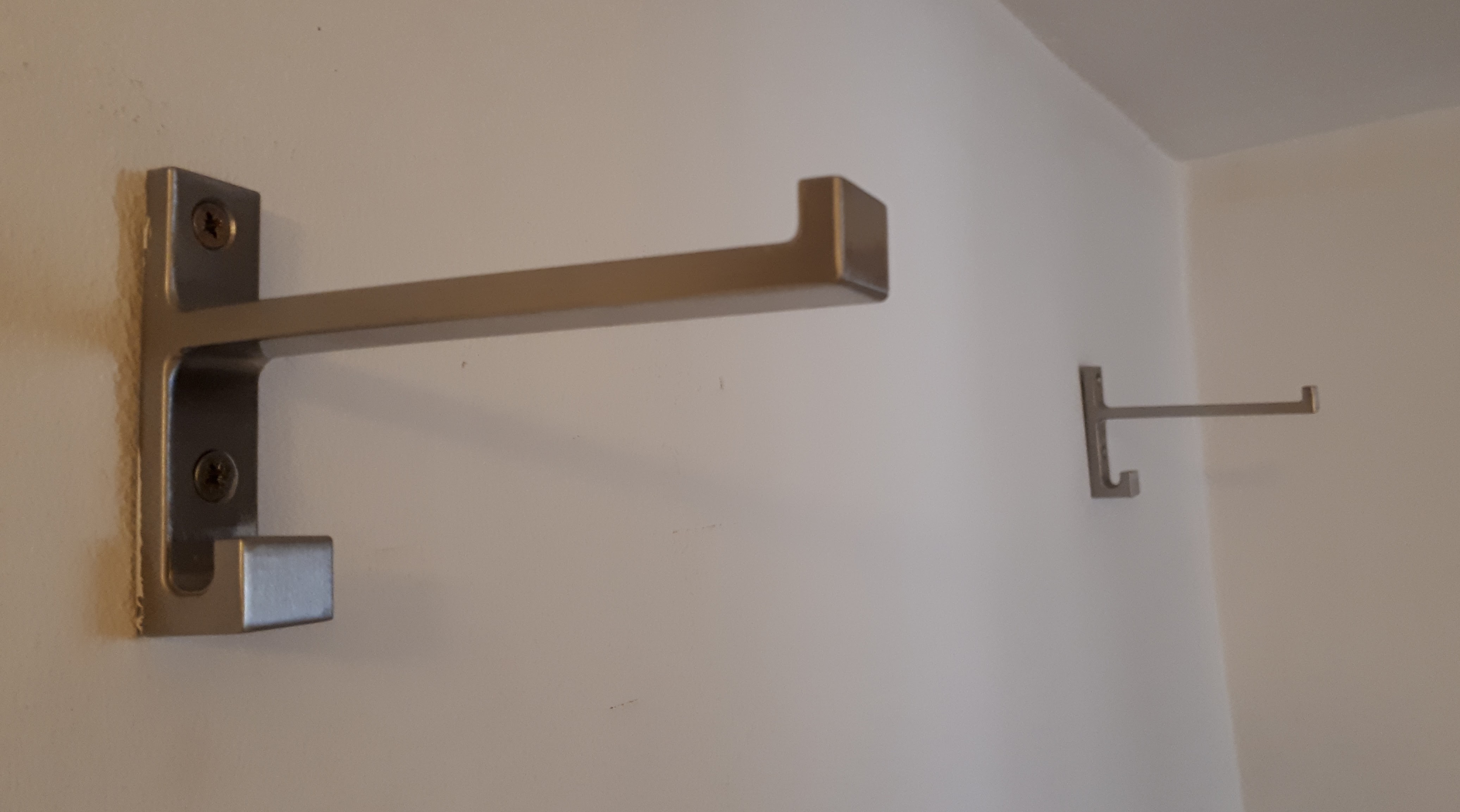
To choose the right shelf support, consider the weight and size of the shelf, as well as the type of wall you're working with. There are several different types of shelf supports available, including L-shaped shelf supports, also known as shelf brackets, cabinet shelf supports, and wardrobe shelf supports. You can find shelf supports at most hardware stores or home improvement stores, such as Home Depot or Lowe's. Additionally, you can also find a wide range of shelf supports online at Amazon or Walmart.
🔧 Step 1: Choose the Right Shelf Support
To prepare the wall, make sure it's clean and dry. If you're working with a plaster or drywall, you may need to use a wall anchor to secure the shelf support. Wall anchors are used to secure the shelf support to the wall. You can use a drill to make pilot holes for the wall anchors. For example, if you're using a Molly bolt, you'll need to drill a hole that's slightly smaller than the bolt. You can find wall anchors at most hardware stores or home improvement stores, such as Menards or Sears. Additionally, you can also find wall anchors online at Home Depot or Lowe's.
⚙️ Step 2: Prepare the Wall
To mark the wall and drill pilot holes, use a level to ensure the shelf will be straight. Measure the width of the shelf and mark the wall accordingly. Use a drill to make pilot holes for the shelf support. For example, if you're using an L-shaped shelf support, you'll need to drill two holes, one for each side of the shelf. You can use a level to ensure the holes are straight and level. You can find levels at most hardware stores or home improvement stores, such as Walmart or IKEA.
🎯 Step 3: Mark the Wall and Drill Pilot Holes
To install the shelf support, insert the wall anchors into the pilot holes and screw the shelf support into place. Make sure the shelf support is level and secure. For example, if you're using a cabinet shelf support, you may need to use a screwdriver to screw the support into place. You can find shelf supports at most hardware stores or home improvement stores, such as Home Depot or Lowe's. Additionally, you can also find shelf supports online at Amazon or Walmart.
✅ Step 4: Install the Shelf Support
To hang the shelf, place it on the shelf support and ensure it's level and secure. You can use a level to double-check the shelf is straight. For example, if you're hanging a shelf in a living room, you may want to use a decorative shelf, such as a floating shelf. You can find decorative shelves at most home decor stores, such as West Elm or Craigslist. Additionally, you can also find decorative shelves online at Wayfair or Overstock.
🚀 Step 5: Hang the Shelf
Common mistakes to avoid include not using the right type of shelf support for the weight and size of the shelf, not preparing the wall properly, and not ensuring the shelf is level and secure. To avoid these mistakes, make sure to follow the instructions carefully and use the right tools and materials. For example, if you're hanging a heavy shelf, you may want to use a more robust shelf support, such as an L-shaped shelf support. You can find more information on shelf supports at Wikipedia or YouTube.
⚠️ Common Mistakes & How to Avoid Them
The expected results of hanging a shelf include a secure and level shelf that can hold the weight of the items you plan to store on it. To ensure the shelf is secure, make sure to use the right type of shelf support and follow the instructions carefully. You can find more information on shelf supports at Wikipedia or YouTube.
💰 Cost & Time Breakdown
Pro tips and advanced techniques include using a laser level to ensure the shelf is straight, using a drill with a level to make pilot holes, and using a decorative shelf to add a touch of style to the room. For example, if you're hanging a shelf in a kitchen, you may want to use a decorative shelf, such as a floating shelf. You can find decorative shelves at most home decor stores, such as West Elm or Craigslist. Additionally, you can also find decorative shelves online at Wayfair or Overstock.
Key Facts
- Year
- 2022
- Origin
- United States
- Category
- courses
- Type
- concept
- Format
- how-to
Frequently Asked Questions
What type of shelf support should I use for a heavy shelf?
For a heavy shelf, you should use a more robust shelf support, such as an L-shaped shelf support. You can find L-shaped shelf supports at most hardware stores or home improvement stores, such as Home Depot or Lowe's.
How do I ensure the shelf is level and secure?
To ensure the shelf is level and secure, use a level to double-check the shelf is straight, and make sure the shelf support is securely attached to the wall. You can use a drill to make pilot holes for the shelf support, and a screwdriver to screw the support into place. You can find more information on shelf supports at Wikipedia.
What type of wall anchor should I use for a plaster or drywall?
For a plaster or drywall, you should use a wall anchor that is specifically designed for this type of wall. You can use a Molly bolt or a toggle bolt. You can find wall anchors at most hardware stores or home improvement stores, such as Walmart or IKEA.
How much weight can a shelf support hold?
The weight that a shelf support can hold depends on the type of shelf support and the weight of the shelf. Generally, a shelf support can hold between 20-50 pounds, depending on the type of shelf support and the weight of the shelf.